

The Conversation We Don’t Want to Have With a Student – and Why We Still Need to Have It
There are certain conversations every educator hopes they never have to have with a student. Maybe a student who was once engaged starts missing class, their grades begin to change, or they seem more withdrawn from their friends and teachers. None of these signs automatically point to substance use, but when several changes start to ... Read more
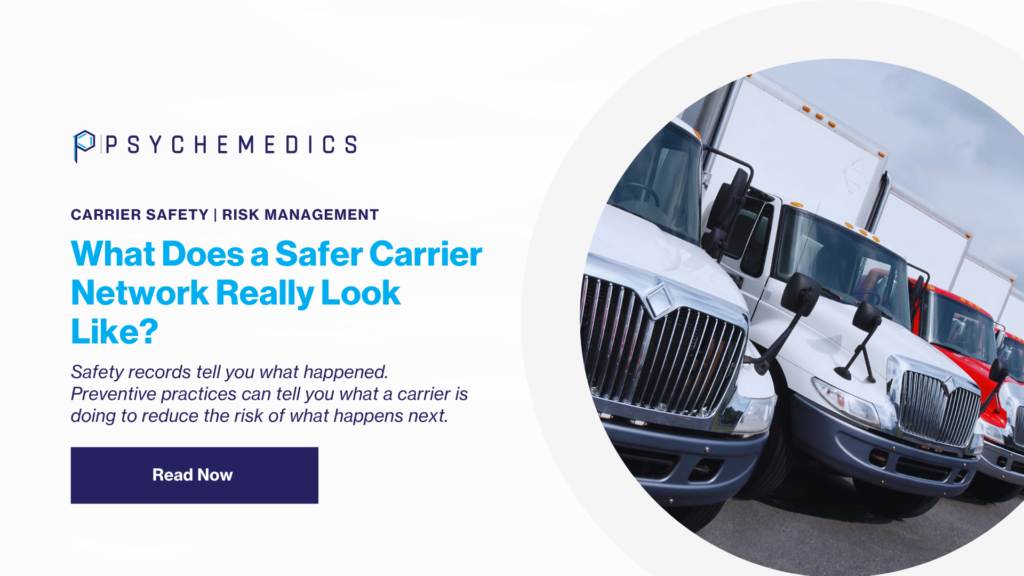
What Does a Safer Carrier Network Really Look Like?
For freight brokers, carrier selection has always involved balancing multiple factors. Operating authority. Insurance coverage. Inspection history. Safety performance. Capacity. Service. Cost. Each provides an important piece of the picture. But when it comes to safety, many of the measures brokers rely on have something in common: they tell you what has already happened. An ... Read more
Five Metrics Employers Should Track Beyond “Positive” or “Negative”
Why Employers Need More Than a Binary Result Most organizations still treat drug testing as a pass/fail checkpoint, but employers focused on safety, productivity, and long‑term workforce stability know that risk isn’t binary; it’s behavioral. It emerges through patterns, consistency, and context. Hair testing’s extended detection window makes it uniquely suited for identifying lifestyle or ... Read more
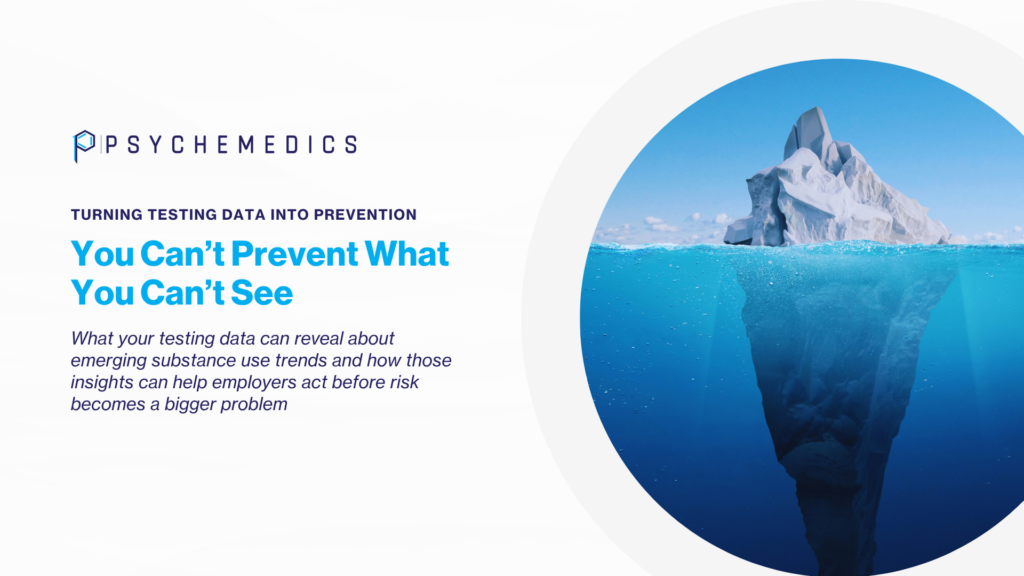
From Methodology to Meaning – How the Science Behind a Test Shapes the Data You Get
Drug testing has traditionally been viewed as a way to answer a fairly simple question: Did an individual test positive or negative? But for organizations focused on building safer workplaces, that answer is only the beginning. The more important question is what testing data can tell an organization about the risks it is managing, and ... Read more
The Accountability Advantage – Giving Students a Reason to Say No
When schools evaluate substance use prevention strategies, the conversation often centers on detection. Which method is most effective? How many incidents can be identified? What happens when a student tests positive? While those questions are important, they overlook a more meaningful measure of success: preventing substance use before it begins. The most effective prevention programs ... Read more

The Blind Spot in Teen Driving: Are We Measuring Risk Too Late?
The insurance industry has never had more information about how teenagers drive. Telematics can tell us how fast a vehicle is moving. It can identify hard braking, rapid acceleration, distracted driving, mileage, location, and time of day. Driver education, graduated licensing, and increasingly sophisticated vehicle safety technologies have all helped make teen drivers safer. ... Read more
Safety Culture Means Looking at the Risks Others Avoid
Most companies like to say they prioritize workplace safety, but building a true safety culture requires more than policies, annual training, or checking a compliance box once a year. Some of the biggest workplace risks are often the ones easiest to overlook, especially when they are not immediately visible. Substance use in the workforce continues ... Read more
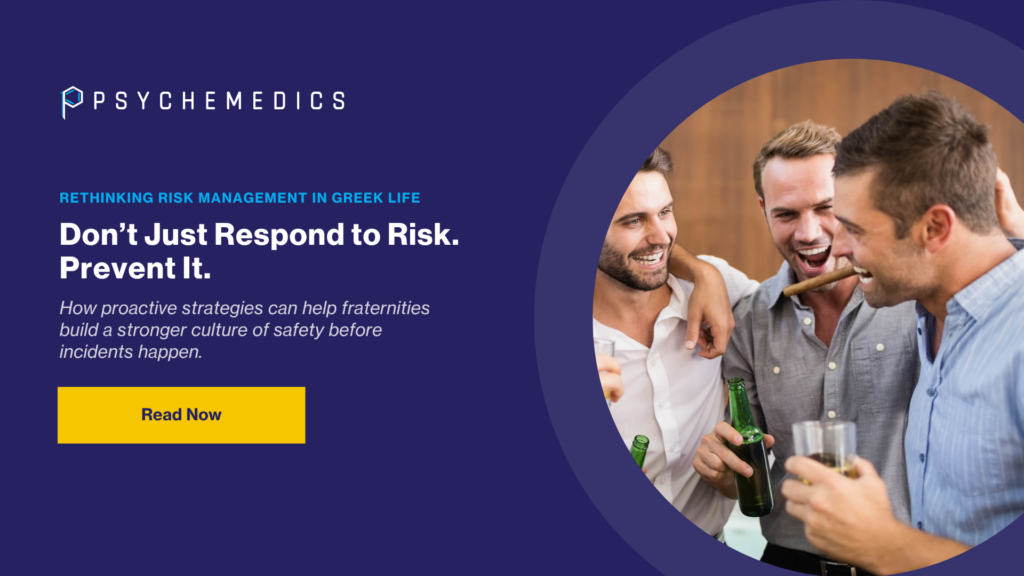
The New Standard for Fraternity Risk Management – Prevention Over Reaction
Fraternity leaders have always balanced two important responsibilities: creating a positive member experience while maintaining a safe, accountable chapter environment. Today, that balance is becoming increasingly difficult to manage. Universities are placing greater emphasis on student safety, and parents are asking more questions about the environments their students are joining. National organizations are facing heightened ... Read more
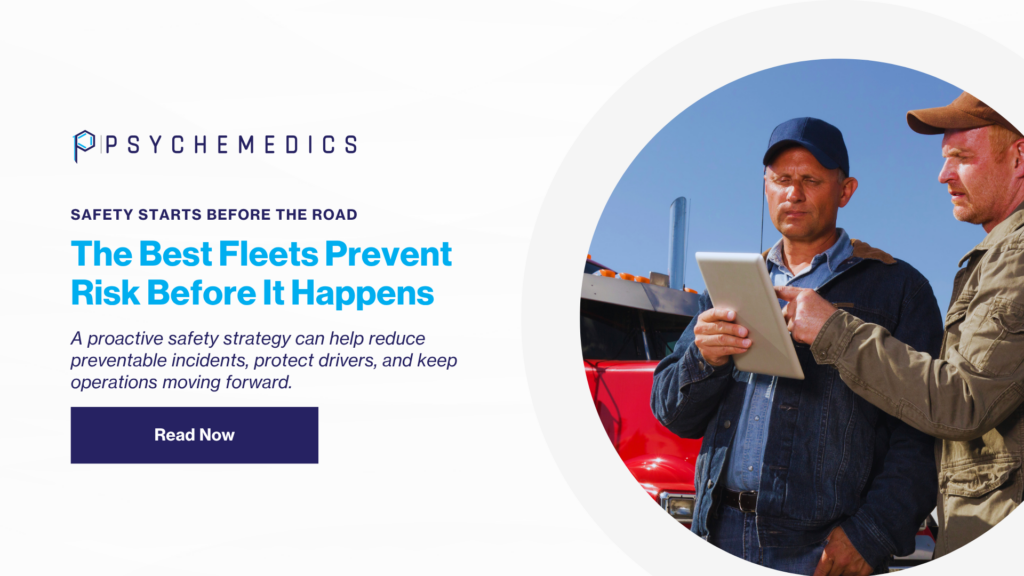
The Business Impact of Preventable Fleet Accidents
For transportation companies, every preventable accident represents far more than a damaged truck or an insurance claim. It can disrupt operations, delay deliveries, strain customer relationships, increase operating costs, and create lasting consequences that extend well beyond the day the incident occurs. In an industry where profitability depends on efficiency, reliability, and safety, even a ... Read more

The Difference Between Passing a Drug Test and Managing Risk
Workplace drug testing has long been considered a baseline requirement for maintaining safety and compliance. But for many organizations, the more important question isn’t whether testing is in place; it’s whether that testing is providing enough insight to actually manage risk. In safety-sensitive environments, a negative result is often treated as a form of reassurance. ... Read more